
Latest News
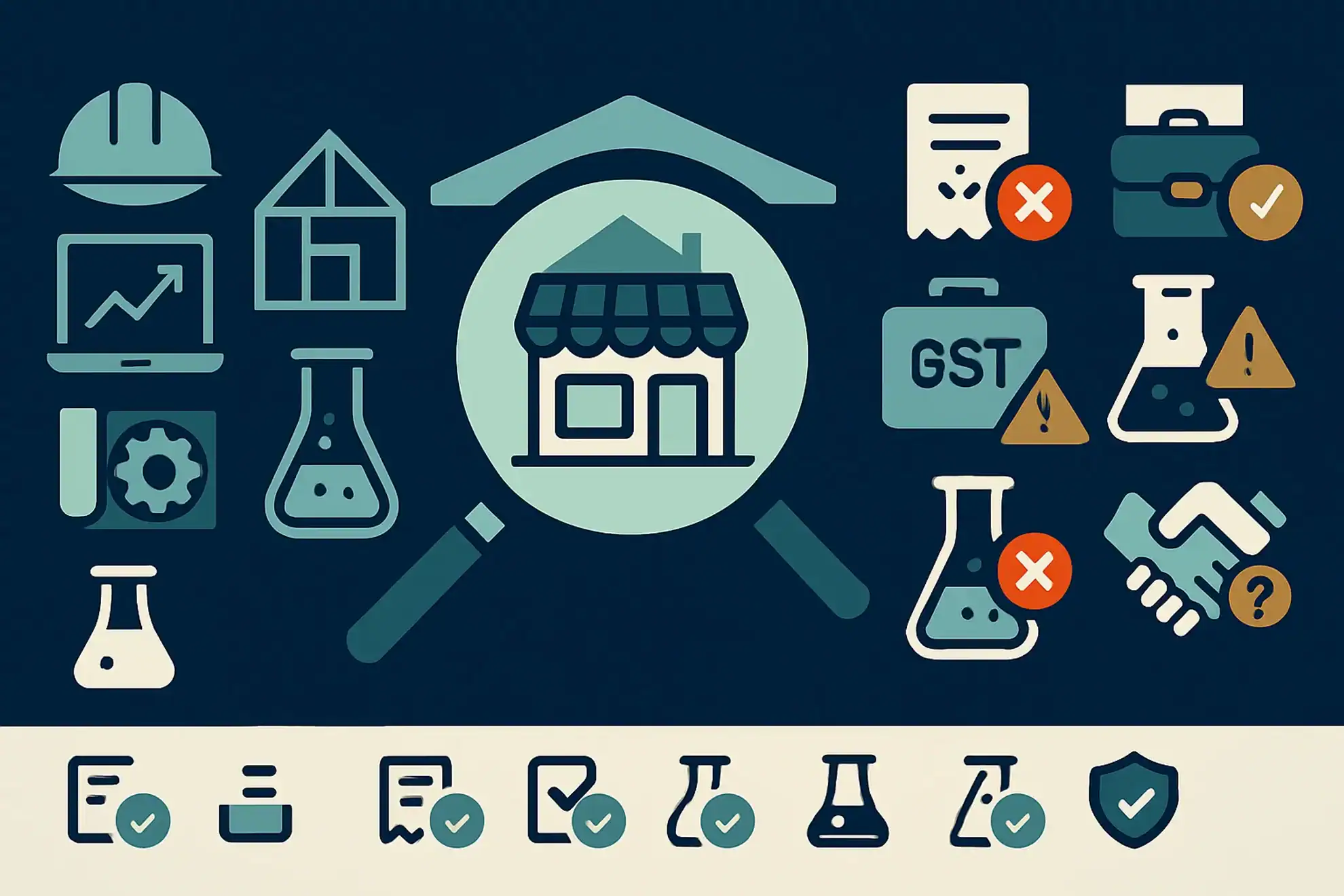
ATO’s focus on small business
The ATO is ‘detecting and addressing’ recurring errors in specific industries when businesses have a turnover between $1 million and $10 million. These industries include property and construction (including builders, contractors and tradies), and professional, scientific and technical services (including engineering, design, IT and consulting professionals). In these industries, the ATO continues to see recurring […]
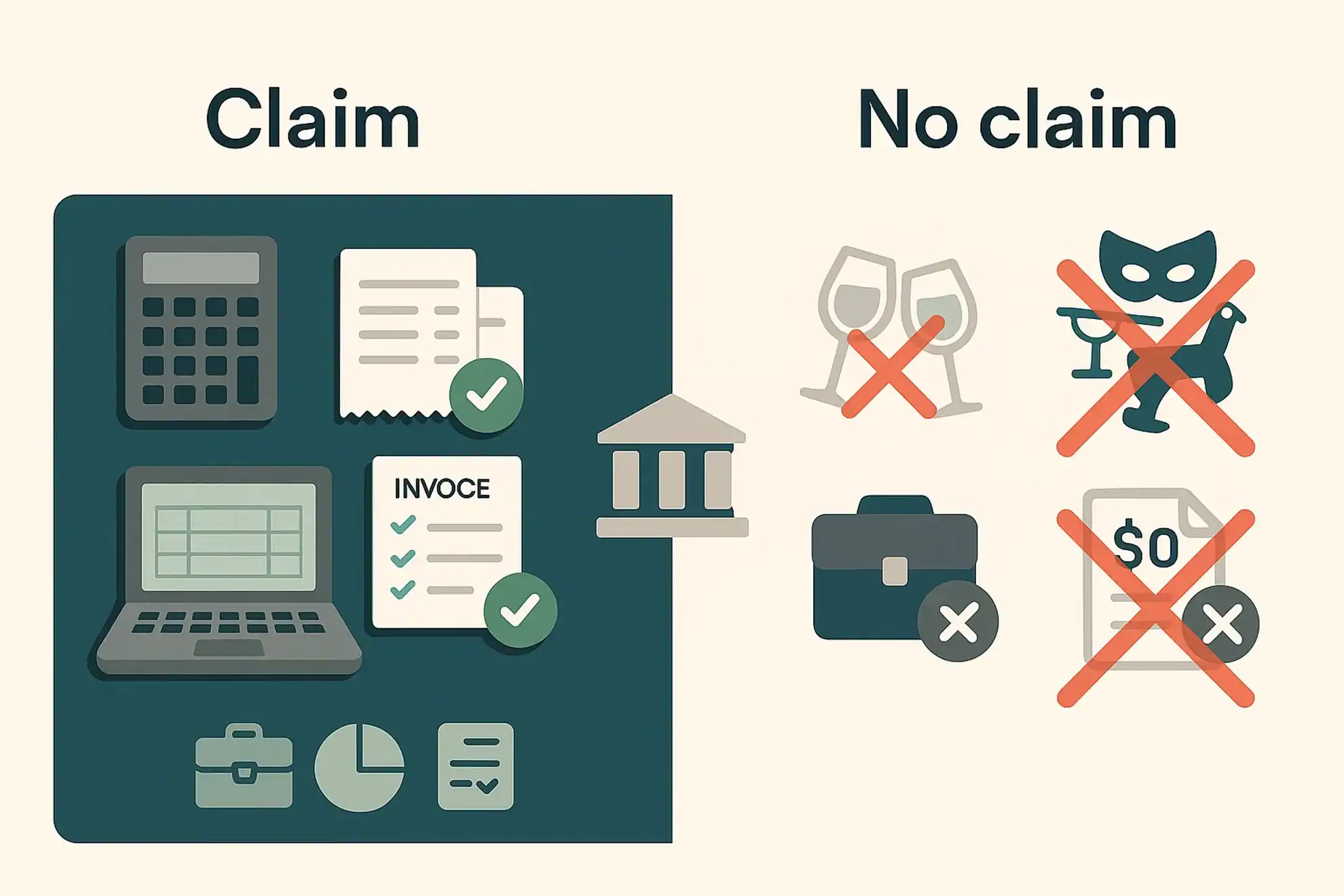
ATO reminder: Business expenses that can (and cannot) be claimed
Taxpayers can claim a tax deduction for most business expenses, provided they meet the ATO’s three ‘golden rules’: The expense must be for business use, not for private use. If the expense is for a mix of business and private use, they can only claim the portion that is used for business. They must have […]
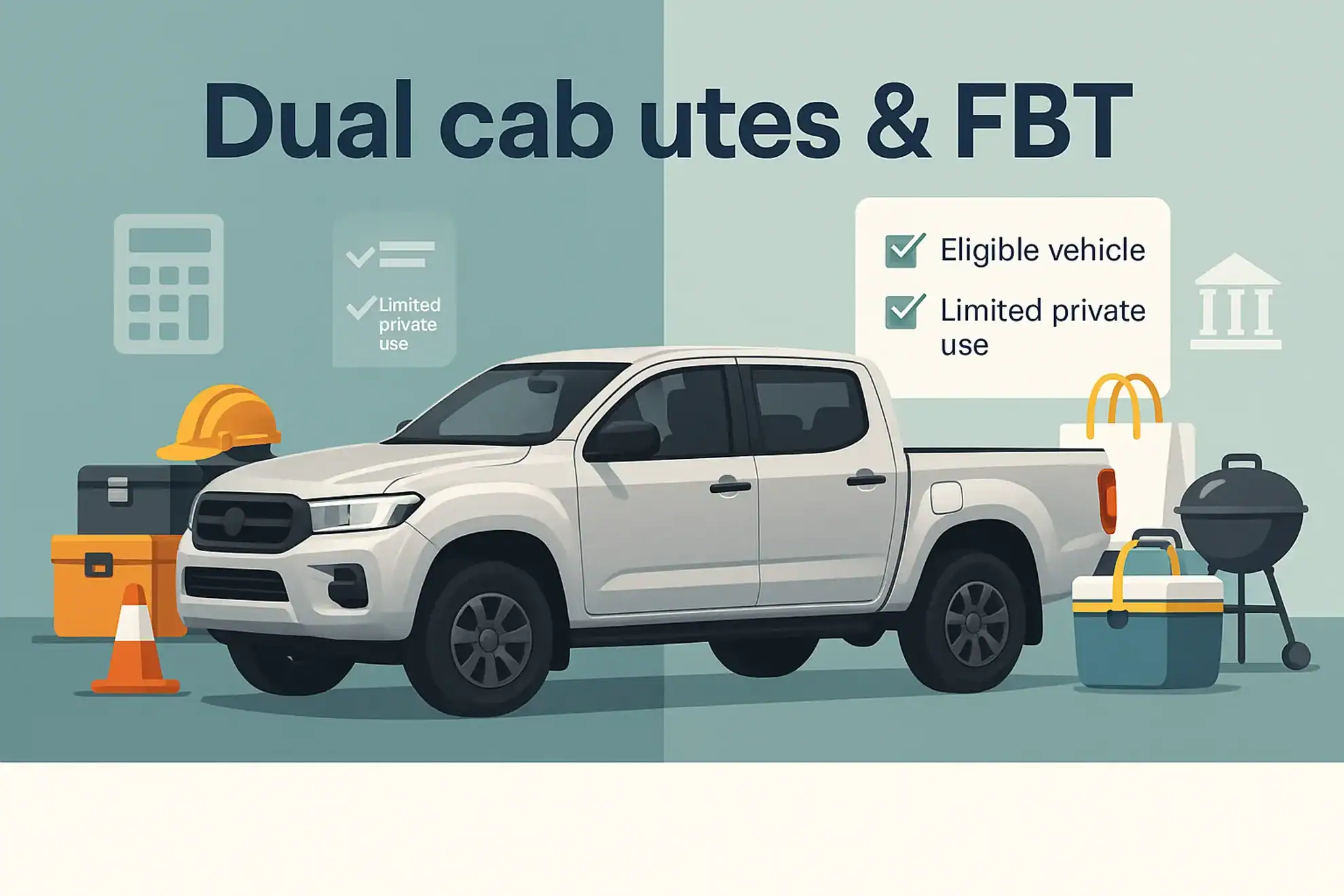
Dual cab utes and FBT
The ATO wishes to dispel the ‘common myth’ that dual cab utes are automatically exempt from fringe benefits tax (‘FBT’). If an employer provides dual cab utes to staff to complete their duties and the vehicle is available for personal use, then the benefit may be subject to FBT. By understanding how their employees use […]

ART dismisses argument that medical expenses were deductible
In a recent decision, the Administrative Review Tribunal (‘ART’) held that a taxpayer could not claim a tax deduction for medical expenses incurred by him in relation to his total and permanent disability pension. The taxpayer had been terminated from his employment due to total and permanent disablement (‘TPD’). For the 2024 income year, his […]

ATO warning regarding private use of work vehicles and FBT
Employers that supply work vehicles to their employees need to check how the work vehicles are used and whether any exemptions apply to determine if they attract fringe benefits tax (‘FBT’). FBT generally applies when a work vehicle is made available for private use, even if it is not actually used. Private use includes any […]

Tips to help sole trader clients
The ATO is seeing sole traders make mistakes in the following areas: not reporting all income — this includes income earned outside their business (like a ‘side hustle’), cash jobs, or payments in-kind/barter deals; overclaiming expenses — this includes claiming the portion of an expense related to personal use, or overstating the cost of goods […]
What’s New For Taxpayers
Before you complete your tax return for 2015, there are some changes you should be aware of in case they affect you. Mature age worker tax offset You can no longer claim the Mature age worker tax offset (MAWTO) in your tax return. Previously, to be eligible for the offset you needed to be an […]
Travel between home and work and between workplaces
While trips between home and work are generally considered private travel, you can claim deductions in some circumstances, as well as for some travel between two workplaces. If your travel was partly private and partly for work, you can only claim for the part related to your work. What you can claim You can […]
Gifts and donations
You can only claim a tax deduction for gifts or donations to organisations that have the status of deductible gift recipients (DGRs). Deductions for gifts are claimed by the person that makes the gift (the donor). For you to claim a tax deduction for a gift, it must meet four conditions: The gift […]
Capital gains tax checklist
The following questions will help you to identify possible capital gains tax (CGT) obligations. If you answer ‘yes’ to any of these questions, CGT may apply. Some questions are intended to highlight the possibility of a capital gain or loss arising in the current year, others to alert you to the possibility of a […]
Tax on Super Contributions
The tax you pay on your super contributions generally depends on whether the contributions were made before or after you paid income tax, you exceed the super contributions cap or you are a very high-income earner. Before-tax super contributions The super contributions you make before tax (concessional) are taxed at 15%. Types of before-tax contributions […]
Zone Tax Offset – exclude ‘fly-in-fly-out’
In the 2015–16 Federal Budget, the government announced that it will exclude ‘fly-in-fly-out’ and ‘drive-in-drive-out’ (FIFO) workers from the Zone Tax Offset where their normal residence is not within a ‘zone’. Currently, to be eligible for the Zone Tax Offset, a taxpayer must reside or work in a specified remote area for more than 183 […]